
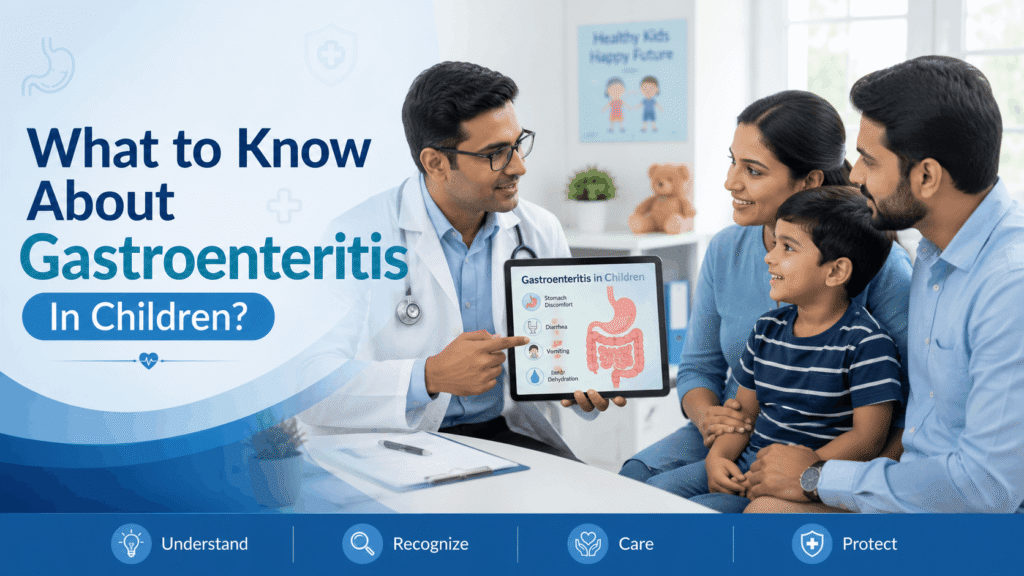
Gastroenteritis is a common illness that causes swelling in the stomach and intestines. Often called a stomach bug, it can really catch parents off guard. This sickness can come from a virus, a bacterial infection in toddlers, or contaminated food. While it is tough to watch your little one feel unwell, most kids bounce back quickly with the right care at home.
Whenever a young child, especially a toddler, gets sick, the symptoms usually show fast. The most commonly-reported discomforts in children are an upset stomach, watery diarrhea, and vomiting. The most commonly reported signs include a mild fever, a sore tummy, and feeling very tired. Because they are losing fluids quickly, your main goal is to prevent dehydration while their body fights off the bug.
What Home Remedies May Help a Toddler with Gastroenteritis?
Managing this illness at home is all about comfort and hydration. Using home remedies for gastroenteritis in toddlers can help your child feel a lot better while they recover.
- Encourage rest: Fighting off a stomach illness takes a ton of energy. Keep your toddler quiet, put on their favorite movie, and let them nap as much as they need.
- Encourage regular fluid intake: Never allow the child gulp large amounts of water, as the same can trigger more vomiting. It is best to take small sips every few minutes so that dehydration is eliminated.
- Boost electrolyte intake: Oral Rehydration Solutions indeed work best for these can make up for the lost salts. The best way to offer these is in the form of diluted fruit juices.
- Ice pops promote fluid intake: If your toddler refuses to drink anything, give them an ice pop. Sucking on a popsicle is considered a fun way to boost the fluid intake into their system without upsetting their stomach.
- Follow child’s willingness: Never force the child to eat solid foods. Whenever they finally feel hungry and are willing to eat, offer certain bland choices like crackers, toast, applesauce, or bananas.
Proven tips to offer good care for the toddlers battling Gastroenteritis:
- Temperature monitoring: Check your child’s fever regularly with a digital thermometer so you can track how their body is fighting the illness.
- Offer medicines when needed: Use children’s fever reducers if the fever is making them uncomfortable, but always avoid anti-diarrhea medicines unless a doctor tells you otherwise.
- Keep a watch on wet diapers: Count how many times your toddler pees. A drop in wet diapers is a major clue that they are not getting enough fluids.
- Check signs of dehydration: There are certain obvious signals, such as mouth dryness, crying without real tears, sunken eyes, or extreme sleepiness.
- Use lotion after a diaper change: Frequent diarrhea can cause severe diaper rash. Apply a thickened layer of protective lotion during every change to soothe the skin texture.
- Follow hand hygiene: Wash your hands with soap and water after every diaper change and before cooking to stop the illness from spreading to the rest of the family.
- Use towels at all places: Give your sick toddler their own hand towel, and place clean towels over couches or beds to catch accidental messes easily.
Cases where a toddler needs a doctor’s checkup
Most cases clear up on their own, but sometimes you need professional help. You should call your doctor if your toddler cannot keep any fluids down for more than 12 hours. A checkup should be immediately done on noticing signs of blood in their stool, a very high fever, or severe tummy pain that does not match a normal stomach bug.
(Note: If you ever suspect a different issue, like stomach worms in toddlers, a doctor can run a quick test to find the right cure.
Frequently Asked Questions
Q1. What is the quickest way to get rid of a stomach bug in toddlers?
There is no magical medication to cure it instantly. The fastest way to help them recover is to offer constant tiny sips of fluids, encourage plenty of sleep, and let the stomach rest.
Q2. How long should gastroenteritis last in toddlers?
The worst of the vomiting usually stops within 24 to 48 hours. However, loose stools and diarrhea can sometimes linger for up to a week before their digestion gets completely back to normal.
Conclusion
Dealing with a childhood stomach illness is stressful, but plenty of rest and patient hydration will usually do the trick. Make sure that fluid intake is supervised, skin remains protected, and they take ample rest.
Regular encounter of warning signs in your child represents an alarming situation where you seek expert guidance. Wait no longer and book a consultation with Hyderabad’s trusted Pediatric Surgeon, Dr. GM Irfan.

Dr. GM Irfan is a senior Pediatric and Laparoscopic Surgeon with 20+ years of experience in advanced surgical care for infants and children. He is a Gold Medalist in MCh (Paediatric Surgery), & holds MRCS (Edinburgh) and specialized training from IRCAD France.