
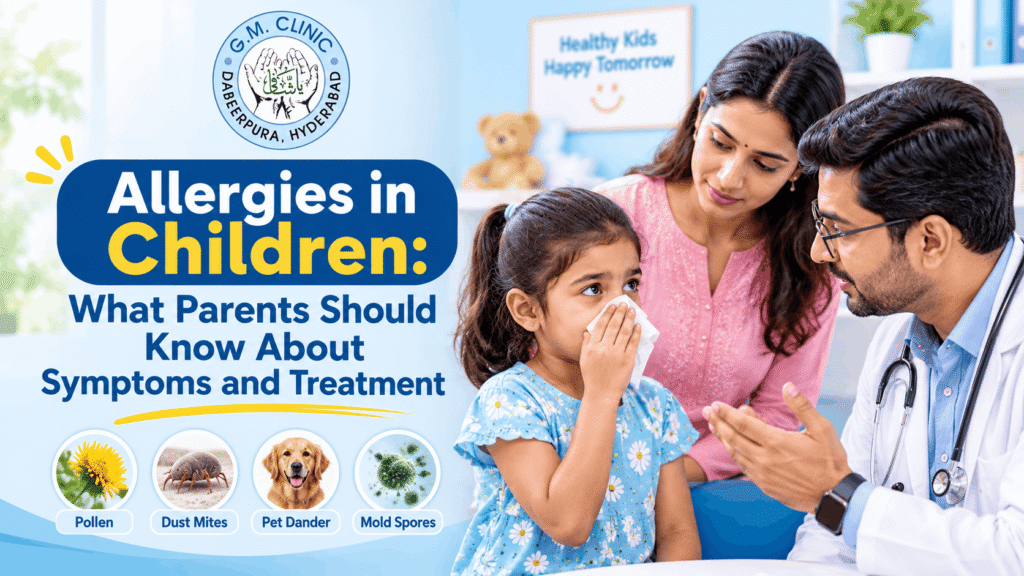
Symptoms like sneezing, skin itchiness, tearing of the eyes, and abdominal pain may be observed in children exposed to some substances. The above symptoms suggest an allergy, which involves the response of the body’s defense mechanism against substances that are generally not harmful. Allergic reactions range from mild to those that call for urgent medical attention.
Learning about allergies in children will assist the parent in identifying the symptoms, knowing the causes, and getting the appropriate medical care for the child.
Causes of Allergies in Children
The immune system defends the body from all germs that are dangerous to it. In allergic children, however, the immune system sees harmless substances as dangers and reacts accordingly, causing various reactions. These substances are called allergens.
There are many factors that cause allergies, including exposure to certain environmental conditions, foods, medications, and insect bites. Some of the common environmental factors include pollen, mould, dust mites and pet dander. Some foods that may cause allergies are milk, eggs, peanuts, tree nuts, wheat, soy, fish and shellfish.
Children with no family history of allergies can still be allergic to certain things.
Types of Allergies Children Suffer from
Allergies during childhood may occur to various parts of the body. The classification of the types of allergies allows parents to know what causes their children’s allergies.
- Environmental allergies: Hay fever may result from pollen, dust mites, mold, and animal allergens and can cause symptoms such as sneezing, stuffy nose, and itching of the eyes.
- Food allergies: The consumption of certain protein-based foods may lead to various symptoms, from mild rash to a more serious allergic response.
- Skin allergies: Symptoms of eczema include a chronic rash that leads to itchy skin; however, contact dermatitis develops from coming into contact with certain soaps, perfumes, detergents, and metals.
- Lung allergies: Allergies may aggravate asthma symptoms, which include coughing and shortness of breath.
- Medications and insect bite allergies: Allergies to medications and insects may manifest themselves through a variety of symptoms.
Each child will have his or her own response to the allergen. A pediatrician will be able to determine if the symptoms suggest allergies.
Allergy Recognition in Children: Symptoms
The signs of an allergic reaction vary according to the allergen, mode of exposure and individual response. Parents need to note the timing of the symptom appearance and re-occurrence on contact with a certain substance.
Common allergy symptoms in kids include:
Children’s allergy symptoms usually are as follows:
• Constant sneezing and a runny or stuffed nose.
• Itchy, red or watering eyes.
• Coughing, wheezing or breathing problems.
• Trying to throw up, diarrhea, or other digestive problems after ingesting an allergy-causing food item.
An allergic reaction might show up right away, although some food allergies might have a delay in developing their symptoms. A severe reaction might include trouble breathing, a swollen tongue or throat, dizziness, or fainting. All of these symptoms could be indications of anaphylaxis, which is a medical emergency. Go to the hospital right away and take any emergency medicine that was prescribed.
Managing Child’s Allergy: Tips for Parents
Firstly, it is important to find out the cause of the allergy and avoid exposure as much as possible. There are some actions which parents may undertake:
• Maintain cleanliness of the house in order to minimize the amount of dust.
• Have bedding washed often and use protective covers for mattresses and pillows if necessary.
• Avoid opening windows during high pollen counts if possible.
• If your child comes from outside when there are high pollen counts, make sure you wash him/her.
• Carefully read food labels and avoid allergens.
For a parent to treat the child, it is advisable to consult a doctor before using any medication. The type of treatment will depend on the symptoms exhibited by the child. Treatment may include prescription of medication, carrying out allergy tests, or taking the child to an allergist.
Lifestyle is also crucial in improving one’s health status. Getting enough sleep, healthy eating, and exercising are among some effective ways of building the immunity of the child, but not all allergies are prevented and cured this way.
When to Seek Pediatric Assistance?
A consultation with a pediatrician would be appropriate if the symptoms keep coming back, interfere with sleep or performance at school, or occur after exposure to specific foods, medications, and the environment. The presence of a fever is not a normal feature of the allergy. In case a fever occurs along with flu-like symptoms, a Bacterial Infection or some other disease may be involved.
Parents should also seek medical consultation if their child experiences persistent rashes or respiratory symptoms, as well as in case of suspected food allergy. Swelling that interferes with breathing or affects the throat area or leads to collapse or breathing difficulties requires immediate emergency care.
Skin Swelling, rashes, and Other Soft Tissue Conditions may need to be diagnosed professionally to differentiate between allergy and other possible conditions.
Frequently Asked Questions
1. Is fever associated with allergies in children?
Fever is not normally associated with allergies. Fever along with sneezing and congestion can be a sign of a viral infection, sinus infection, or some other ailment. Seek the advice of a pediatrician if your child is running a fever.
2. How do parents deal with children’s allergies?
Some of the most common methods include trigger avoidance, medication as suggested by doctors, and immunotherapy where applicable. What works best will depend on the child’s condition and medical history. Always consult before beginning any form of treatment.
3. Why do allergy symptoms sometimes worsen at night?
Bedroom dust mites, pet allergens and other indoor triggers may contribute to nighttime symptoms. Regularly washing bedding, keeping pets out of the sleeping area when necessary, and reducing dust can help. Ask a doctor about persistent congestion or sleep disruption before changing medication routines.
Conclusion
There are many childhood allergies that can occur in the skin, nose, eyes, lungs, and digestive system. Identifying the symptoms, triggers, and seeking medical advice on time can enable parents to handle them effectively. Any severe reaction should be attended to by a doctor immediately.
If your child is showing such symptoms, it is advised to see GM Irfan, the Best Pediatrician in Hyderabad, for professional advice and evaluation.

Dr. GM Irfan is a senior Pediatric and Laparoscopic Surgeon with 20+ years of experience in advanced surgical care for infants and children. He is a Gold Medalist in MCh (Paediatric Surgery), & holds MRCS (Edinburgh) and specialized training from IRCAD France.